GE Healthcare (Interactive Learning & Motion-Driven Education)
Project Overview
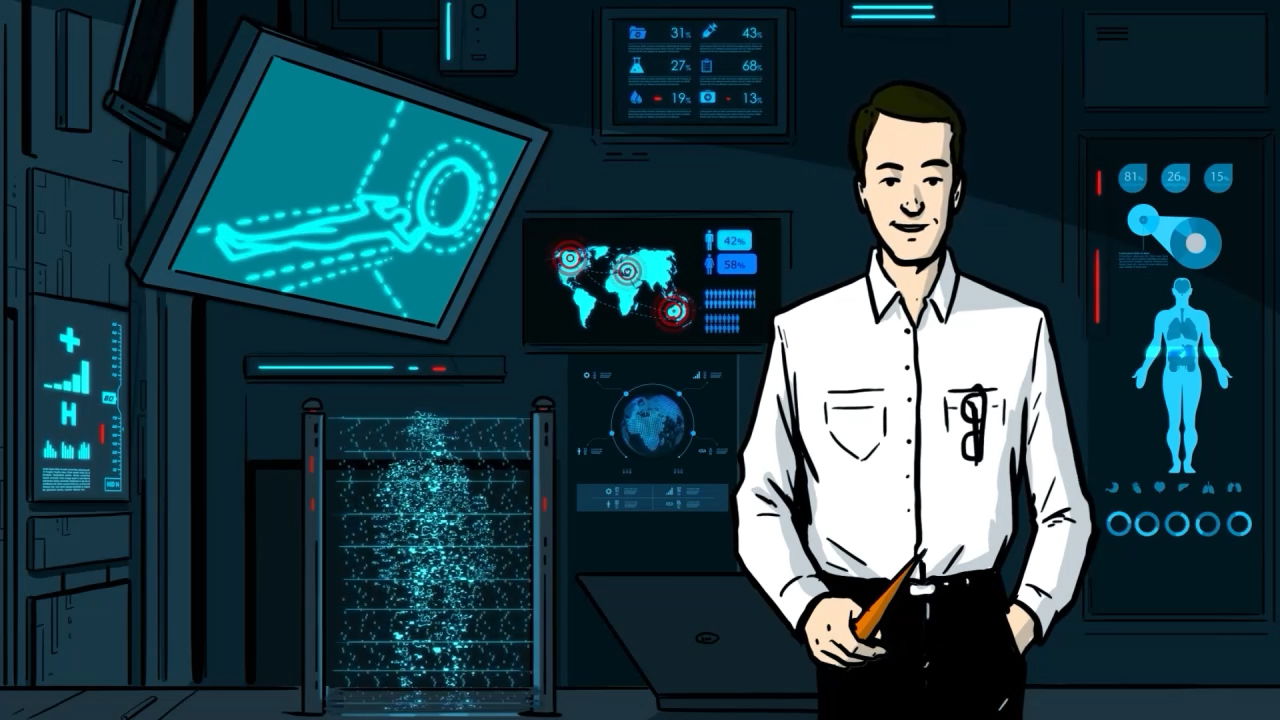
GE Healthcare Turkey sought an interactive learning experience to help doctors better understand critical patient monitoring topics, including dose and MR concepts. The goal was to move beyond traditional training materials by using animation and gamification to make learning more engaging, memorable, and accessible.
The project was designed as an animated, game-like experience that guided doctors toward GE Tip Ed courses while reinforcing key clinical concepts through visual storytelling and interaction.
Process & Collaboration
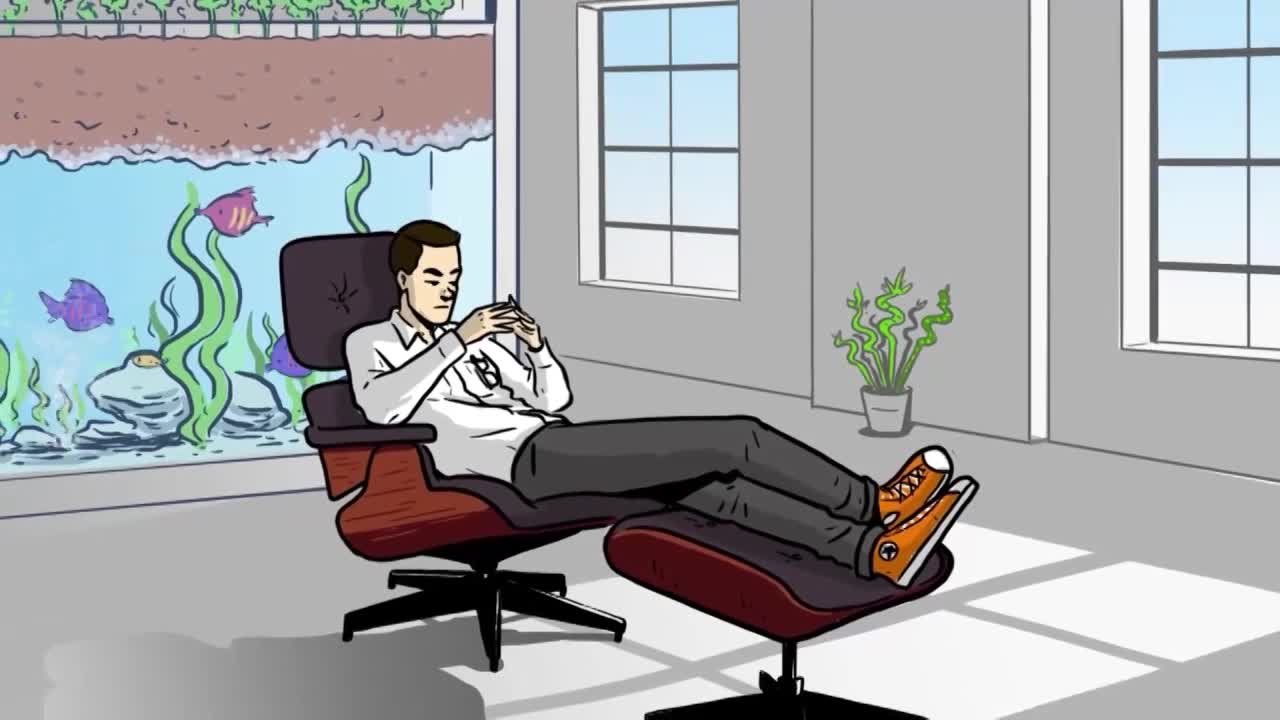
I joined the project after the script, illustrations, and voice recordings were completed. Working closely with the project manager, I brought the provided illustrations to life through animation, focusing on clarity, pacing, and visual engagement while respecting the established assets and narrative.
Because the content targeted medical professionals, accuracy and readability were critical. I approached the animation with a balance of playfulness and restraint to ensure the experience felt engaging without undermining the seriousness of the subject matter.
Challenges & Solutions
Challenge 1: Rasterized Illustration Files (No Layers)
The illustration assets were delivered as flattened files, limiting traditional character rigging and animation flexibility.
Solution: I used a draw-beyond technique, extending body parts outside their resting positions and hiding them in final frames to create the illusion of movement. This approach allowed for believable motion without altering the original illustration style.
Challenge 2: Lack of Pre-Made Facial Expressions
The characters did not include facial variations needed for expressive animation, such as blinking or speaking.
Solution: I created custom facial expressions that matched the existing illustration style, including closed eyes, open mouths, and subtle expression changes, enabling more natural character performance.
Challenge 3: Limited Scene Variety and Camera Movement
Most scenes relied on a single illustration, restricting camera angles and increasing the risk of repetitive visuals during longer dialogue sequences.
Solution: I introduced dynamic camera techniques—zooming, subtle camera movement, and depth effects—to add visual interest. I also animated internal elements within the illustrations, such as character gestures and prop interactions, and used strategic cuts between close-ups, reaction shots, and detail views to maintain rhythm and engagement. In some cases, elements from upcoming scenes were introduced early to improve flow and visual continuity.
My Role
- Motion Design & Animation: Animated characters and environments within technical constraints
- Visual Problem Solving: Developed creative animation techniques for non-layered assets
- Sound Integration: Synced animation precisely with existing voice recordings
- Collaboration: Worked closely with the project manager to align motion with educational goals
Outcome
The final experience delivered an engaging, motion-driven learning tool that supported GE Healthcare’s educational objectives, helping doctors interact with complex patient monitoring concepts in a more approachable and memorable way.
Key Takeaways
- Joining a project after scripts, illustrations, and voice recordings are finalized limits animation flexibility; early involvement enables stronger alignment between visuals, motion, and narrative.
- Voice casting plays a critical role in animated education—alignment between character design and voice talent significantly impacts credibility and user experience.